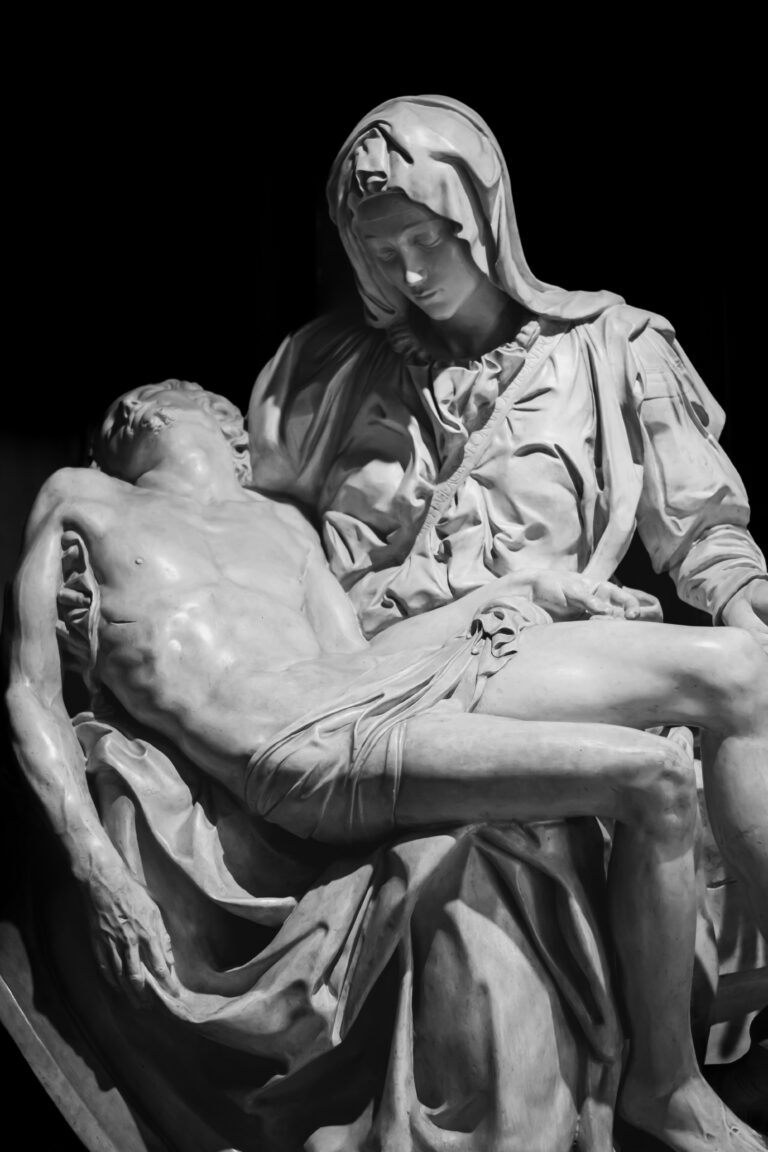
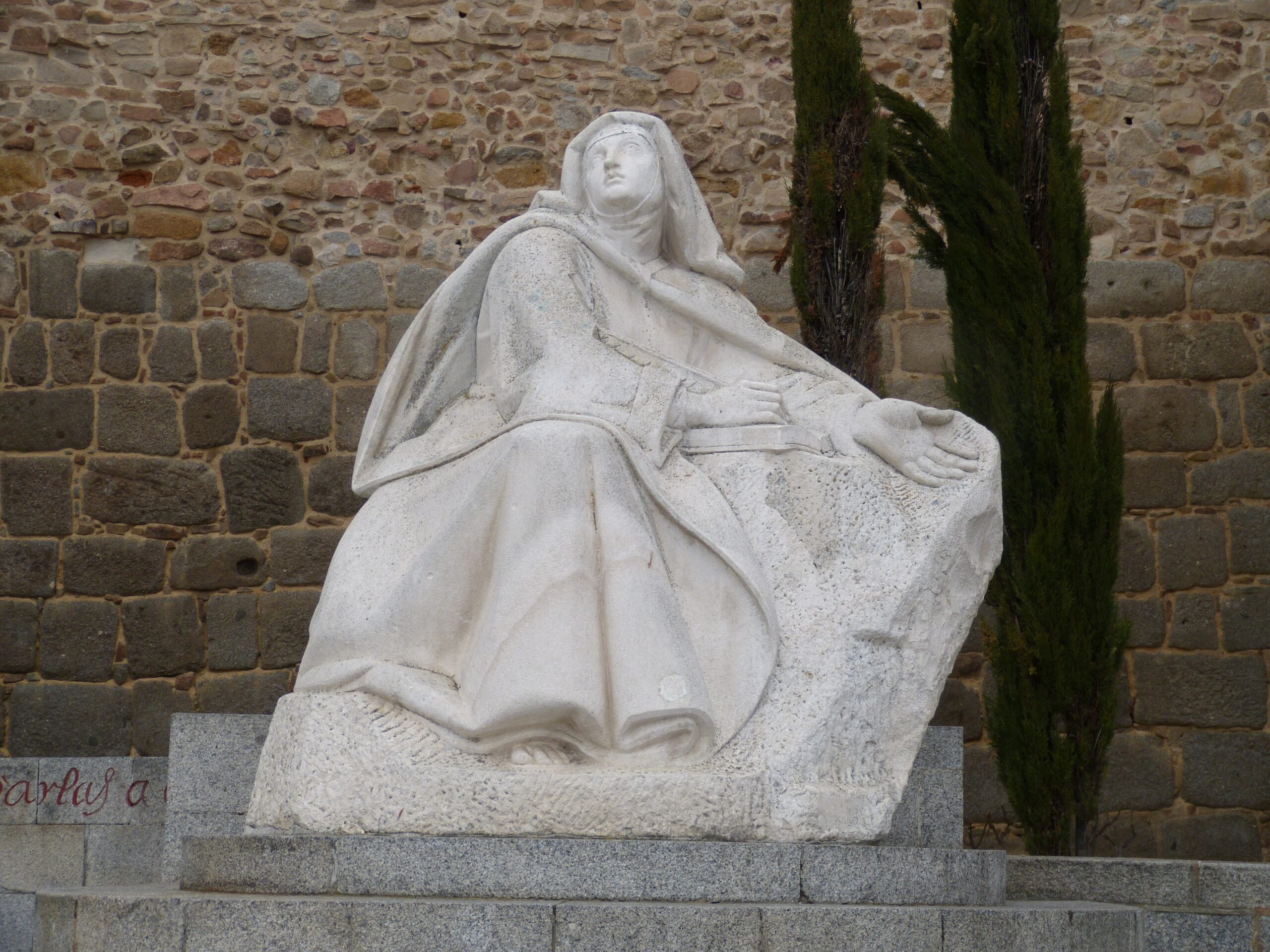
Holy Saturday is the day it appears humanity has triumphed over God, making evil the victor.
It is the moment of utter folly as the human soul doubles down in regret, doubt, and shame.
Regret at following.
Regret for believing.
Regret at doubting.
Regret for rash statements and failed fidelity—regret for not keeping watch, not listening more closely.
Regret at hiding, denying—regret for running away and not stopping the violence.
Regret for watching a beloved friend slip away into unutterable violence at the hands of the enemy. Regret for thinking he could be king.
What have we done? The implications are yet to be known.
Curled in self-pity and haunted by what-ifs, Holy Saturday lays bare what God has always known about us: our fragile, faltering nature. God was never surprised by our inability to remain faithful, to stand firm with courage, to see or hear truly. We are, again and again, a people who fall short.
Holy Saturday holds this truth without flinching. This day indeed bears the weight of our failure.
That’s a hard truth to swallow, one we’re quick to resist. We don’t like to admit how easily we become blind and foolish, how often we live in shadows, turned in on ourselves, and how readily we are swayed by evil, fear, doubt, and temptation.
As much as we want to deny the reality of our human frailty, Holy Saturday invites us to face it honestly. To refuse this is to quietly suggest that we never truly needed Jesus at all.
On Holy Saturday, we are confronted with a quiet reckoning: will we cling to our regret and pride—insisting we have no need of Jesus—or will we release our doubts and entrust ourselves to the mystery of God at work? Will we dismiss him as a “so-called Savior,” or dare to believe that God is moving precisely through what we do not understand—even through the frailty that led him to the cross?
Holy Saturday invites us to face a sobering truth: we were always prone to reject any Savior who tells us we are not God, who refuses to conform to our expectations, and whose ways remain beyond our grasp.
Holy Saturday is an honest admission that the human will, no matter how disciplined or determined, cannot overcome evil. It cannot refute Satan’s lies through trickery or logic any more than it can save the world from crumbling in war or natural disaster.
Holy Saturday is owning our fragility by accepting our need for a Creator, Savior, and Lover of our souls to make life good, enduring, and whole.
As we sit in the tension of regret and doubt on Holy Saturday, we come to see more clearly both our human insufficiency and God’s unwavering sufficiency.
Where we fail, Jesus prevails. Where we doubt, Jesus is faithful. Where we feel shame, Jesus pours out love and compassion. Where we hide, Jesus brings us into the light. Where we are fickle, Jesus is steadfast. Where we fade into death, Jesus raises us to life.
Rather than lingering in our failure, struggles, doubts, and regrets, let us instead take honest stock of the ways Jesus faithfully bridges our shortcomings. Holy Saturday is not about our participation in the crucifixion, but about the quiet, hidden work of God’s magnanimity—moving beneath our lack of fidelity and limited understanding—redeeming our failures and transforming them into a testimony of God’s good and creative love within the human condition.