

A series following Biblical persons who were displaced sojourners along the wandering way. Preparing the way for Advent.
Part two: Jacob
Displaced pilgrims
Exiled for grabbing what was forbidden, Adam and Eve, are the first displaced persons in the Bible. Their punishment for disobeying God was to wander this earth, ever longing for home. Though severe, this was also for their protection. Pilgrimages are journeys with a purpose.
God did not intend for us to permanently wander around in a state of punishment, or insatiable longing. He manifested himself to Abraham, and future generations (including ourselves), to launch our pilgrimage of redemption. By drawing out a chosen people, Israel, God set in motion our homecoming story.
He laid the road for sojourners that would one day lead to a new Heaven and Earth where God and creation could live together in Eden one again.
But until that day, Israel (Jacob), and all descendents after would be wanderers on the way home.
Displacement is when people are moved, often unwillingly by outside forces, into a new place, having to leave the place they call home. A Christians, we believe we are a displaced people. Our pilgrimage only ends in Christ’s final and second coming.
We do not journey alone. We follow a myriad of steps before us. A cloud of pilgrims who have a pilgrim story to tell.
Sojourning
Abraham’s call to leave home and trust that God would provide a son to him from a barren wife at 100 years old seemed absurd. Not only that, we waited years more for the “Promised Land” he never saw, and his grandsons, Jacob and Esau, almost ruined it all. Jacob’s story is filled with deceit, lying, fear, and running away. He stole his brother’s blessing, seemingly taking God’s story into his own hands. Because of this, Isaac sends Jacob away to be a sojourner in God’s land. (Genesis 28:3-5)
Receiving Isaac’s blessing threw Jacob into displacement. Did he have any idea what he was stealing? This was the beginning of his pilgrim life.
Even if Jacob couldn’t have comprehended the fullness of what he’d taken on. His journey would tell the story.
We too take on this pilgrim life when we choose to receive Jesus’ blessing. We join Jacob in the communal journey to the promised land, for generations to come, because that is where and how we find home.
Jacob lived his whole life as a foreigner in ‘unusual’ places. We look to him to learn how to embrace our temporary displacement as we wander toward God’s promises.
Jacob's displacement
What can we learn about God and the pilgrim’s journey from Jacob’s displacement?
Here are some ways God accompanied Jacob through the many foibles of his life and journey.
- Jacob experienced communion with God: God spoke to Jacob through dreams and spiritual encounters. He learned to listen for God’s voice and sought guidance toward the raising of sheep, meeting his wives, coping with his father-in-law, and how to restore his relationship with Esau. He learned to invite God into his ordinary, daily life. Biblical pilgrimages involve walking with God toward our truest path. Though Jacob lived in an ‘unusual’ and unfamiliar place, he was never alone. He relied on God as his Good Shepherd guide.
- God fulfilled promises: God granted Jacob the same promises of Abraham: familial growth, land for his people, and to be with him as long as he remained faithful to God. He fulfilled part of these promises during Jacob’s lifetime through wives, children, a homeland, restoration of his relationship with Esau, and grandchildren. Jacob was not always faithful, so he ended up having to wrestle with God to set things right and let go in efforts to firm up his blessing (Genesis 32). This encounter marred his body forever with a limp, but it was a unique visual reminder of God’s faithfulness to fulfill promises not only to Jacob, but to those who would come after him. God further established his promise upon Jacob in chapter 35 by renaming him Israel as a proclamation that his bloodline would be forever God’s chosen people and one day the way of salvation for all nations, tribes, and people. Jacob shows us that God’s promises are often hard-won because they require sacrifice.
- God provided in unwelcoming places: In Paddan-aram, Jacob’s displaced home, he lived under the treacherous thumb of his father-law, Laban, as an indentured servant for many years. It is a tale of injustice and abuse of service. Those who’ve been unwillingly displaced know this kind of injustice. It is in these places that we need God’s help, presence, and provision to survive. God provided small mercies to Jacob as he served that encouraged him to endure that place of burden. His season in that uncomfortable place was not wasted. God used that time to refine Jacob and prepare him for more.
- God’s help amid hardship and struggle. The Christian pilgrimage is filled with eternal promises that fuel our hope, but the road in which we travel is riddled with potholes, gravel, mud, and briars. It is not a path we would willingly choose. Jacob’s place of hardship became his place of deepest growth. Paul says in Hebrews 12, “Endure hardship as discipline; God is treating you as his children.” Under Laban, Jacob grew in faith and discipline. He learned to attune his heart and ear to God. Displacement was his training ground. It is where he grew up and prepared for God’s next leg of the journey. Pilgrimages are quests toward learning to trust and obey God. Where we learn to walk in step with God’s Spirit.
- God poured out abundance. We do not follow God expecting wealth, prosperity, and comfort. God very much granted Jacob these earthly blessings, and not because he earned them through suffering. God poured out abundance and care because he loved Jacob. I am not sure all that wealth mattered to Jacob because what he really wrestled with God for was his love. God poured out to Jacob because Jacob would use these resources to be an even greater blessing in due time (recall Joseph’s story). God was building a nation, a people, a plan, and he needed to provide for it all. Prosperity is for God’s purposes, not man’s personal success or worldly ambition toward power and control. As Jacob sojourned throughout his life, we don’t see him using his power for himself but toward expanding God’s plan and his people.
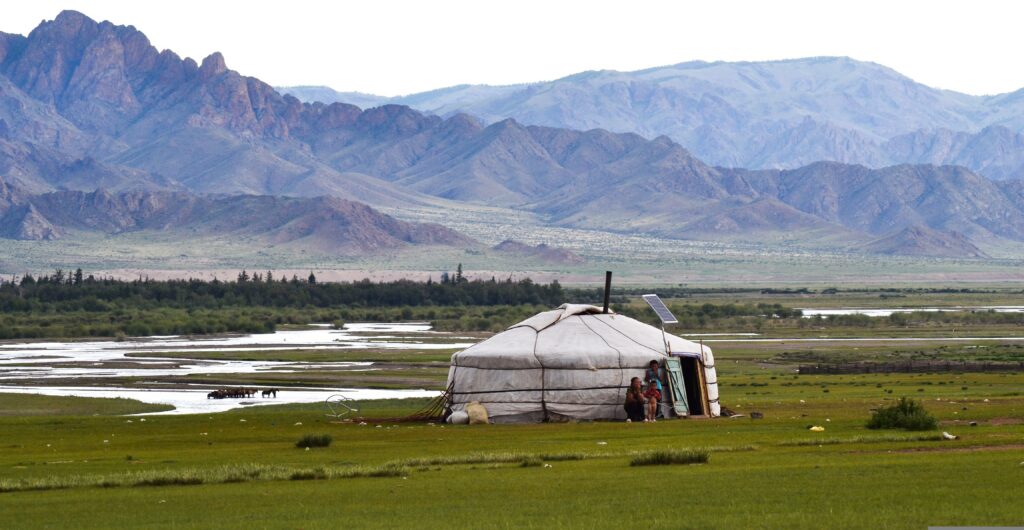
Jacob is remembered as a sojourner. He lived as a foreigner in foreign lands for most of his life. Like his ancestors, his house was a tent. He wandered to the places God lead him only to be in each for momentary seasons. He did not even die in his homeland. We pay attention to the key ways God met Jacob on his pilgrimage because we can expect God to journey with us in similar ways.
Journey with me this Advent. Check out the 2026 Advent Prayer Guide: Wait, Watch, Waken, Wander in the Prayer Shop.
Recent Posts

This is part one of the pilgrim series focusing on Jesus' life as a wanderer. It is in preparation of my upcoming Advent Prayer Guide coming out this month!!
Where Ancient Perspective and Modern Sensibilities Create a New Horizon with the Help of St. Teresa of Avila